
Structural Alterations Explained: Removing Walls the Right Way
January 13, 2026Blog
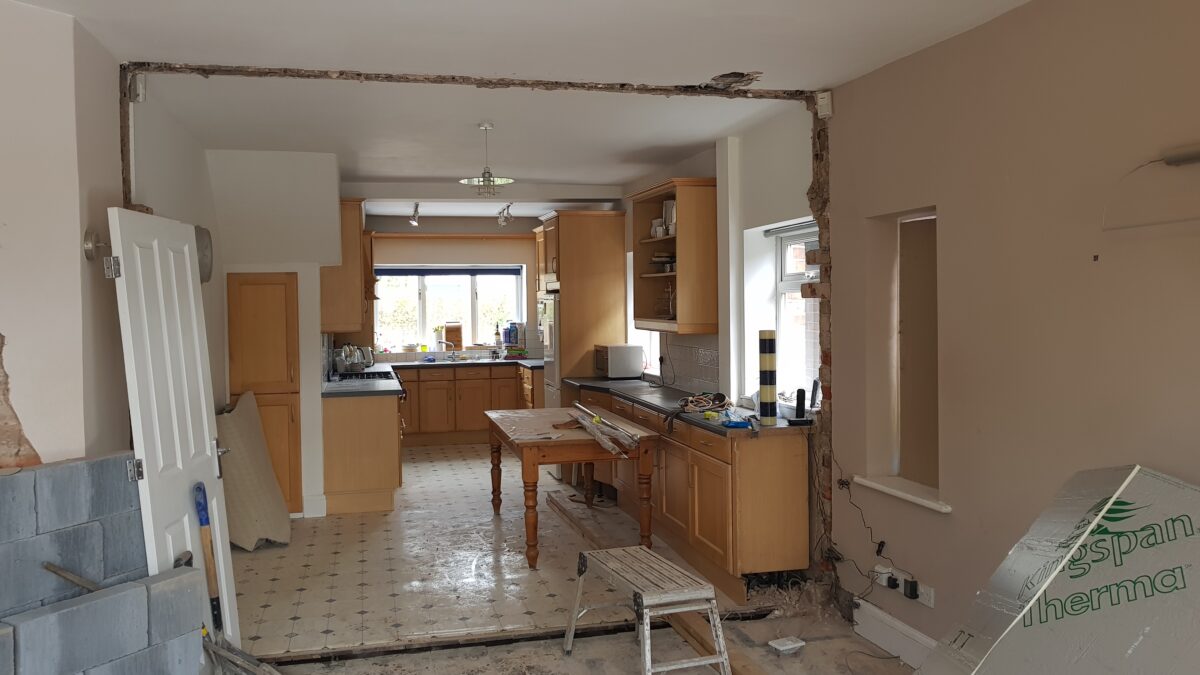
Removing internal walls to create open, flowing spaces is one of the most transformative improvements you can make to your home. Whether you’re creating a modern open-plan kitchen, improving circulation between rooms or reconfiguring a layout to suit family life, structural alterations demand careful planning, technical expertise and strict compliance with UK building standards.
In this blog, we unpack what structural alterations involve, why they must be done correctly, and how experienced professionals like Manchester Homes carry out wall removals safely and successfully as part of extensions, refurbishments and conversions.
What Are Structural Alterations?
Structural alterations are changes that affect the way a building carries load — for example, removing a supporting wall or installing a steel beam. These works go beyond simple cosmetic changes and directly influence the safety and stability of your home.
Load-Bearing vs Non-Load-Bearing Walls
Understanding whether a wall supports the structure above is the first and most critical step.
- Non-load-bearing walls
These partition walls don’t support the roof, floors or other elements. Removing them is usually straightforward, though services like electrics or plumbing will still need careful relocation. - Load-bearing walls
These carry weight from above. Removing them without proper design and support can cause sagging floors, cracked ceilings or serious structural failure.
Professional assessment is essential — wall function isn’t always obvious from visual inspection alone.

Why Professional Input Matters
Structural Engineers and Calculations
If a wall is load-bearing, it must be replaced with a suitable support. This is where structural engineers come in. They provide:
- Accurate load calculations
- Recommendations for the right size and type of steel beam (often RSJs)
- Detailed drawings for Building Control submission
This ensures the load from above is safely transferred to foundations via the new structural support.
Building Regulations and Compliance
In the UK, structural alterations must comply with Building Regulations, regardless of whether planning permission is needed.
Your project will be assessed for:
- Structural safety and stability
- Fire protection around steelwork
- Sound insulation where applicable
- Thermal performance if external walls are altered
Once complete, inspection by Building Control results in a completion certificate — essential for warranties and future property sales.
Structural Alterations in the Context of Larger Projects
Structural work often underpins other improvements you may be planning:
Extensions
Opening up the internal layout between existing rooms and a new extension can create seamless indoor-outdoor flow.
Refurbishments
Full home refurbishments frequently involve removing walls to reconfigure layouts that work for modern family life.
Garage Conversions
Converting a garage often requires removing or modifying structural walls to tie it into the main living space.
Kitchen and Living Enhancements
Creating an open-plan kitchen, dining and living space typically involves removing partition and load-bearing walls and installing structural support.
Common Pitfalls to Avoid
Structural alterations are not an area for guesswork. Some frequent mistakes include:
- Assuming a wall isn’t load-bearing without professional assessment
- Incorrect beam sizing or inadequate support
- Skipping Building Control approval
- Poor temporary propping during works
- Insufficient fire protection around new steelwork
These errors can jeopardise the safety of your home and lead to costly remediation.
Benefits of Working With an Experienced Contractor
When you choose Manchester Homes for structural work, you benefit from:
- End-to-end project management
- Trusted local structural engineers
- Compliance with UK Building Regulations
- Clear communication and realistic timelines
- Quality workmanship that enhances value and safety
Our team ensures the technical complexity of wall removals is handled professionally, with minimal disruption to your home life.
Key Considerations Before You Begin
Before committing to a wall removal project, think about the following:
- Have you had a professional survey?
Understanding which walls are structural is vital. - Is your team experienced with structural work?
Expertise matters for design, installation and compliance. - Have you engaged Building Control early?
This avoids delays or remedial work later. - Are your interiors and services planned?
Structural work affects electrics, plumbing and heating — plan these early.
Removing internal walls can breathe new life into your home, creating bright, open spaces that reflect how you live today. But this type of building work is complex and carries real safety and compliance risks if done incorrectly. From professional assessment to structural design and Building Control sign-off, every stage should be planned and executed with expertise.
Whether you’re planning an extension, refurbishment or garage conversion, understanding structural alterations and securing the right team will help you achieve the results you want — safely and to a high standard.
Are you considering structural alterations or wall removal in your Manchester home? Contact Manchester Homes today for expert guidance, honest advice and a no-obligation consultation. We’ll help you design, plan and deliver your project with confidence and peace of mind.